Writing Postcards That Land in a Primary
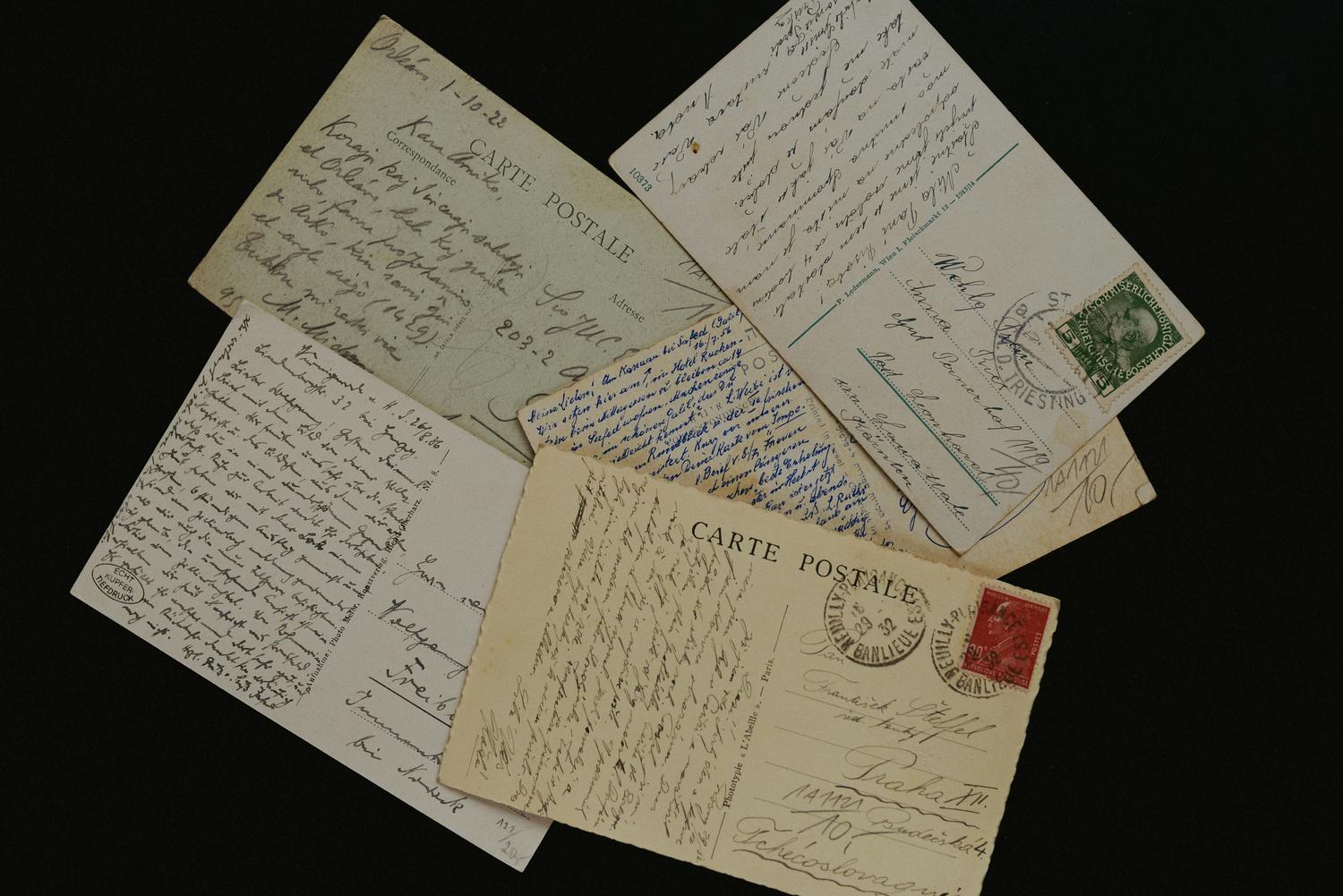
Two weeks ago I argued that primary outreach is a different exercise than general election outreach. The list is different. The message is different. The timing is different. This week I want to show you what that actually looks like on the postcard.
Below are two drafts. The first is a typical letter-writing-program postcard, written for a general election. The second is the same letter, rewritten for a primary. Look at them, then we’ll walk through every edit.
Draft A: Written for the General
Hi Diane,
I’m writing to share why this election matters. I grew up in a Pennsylvania public school where my teachers had to buy supplies out of their own pockets, and now I see the same thing happening at my kids’ school. We can’t keep asking teachers to do this.
Candidate Maria Reyes has been a champion for public education funding her entire career, and I’m asking you to support her this November.
Your vote matters. Polls close at 8 PM. Please make a plan to vote.
Thank you, Sarah
Draft B: Rewritten for the Primary
Hi Diane,
Pennsylvania’s primary is Tuesday, May 19. You can vote by mail right now. Your ballot may already be at your house.
I’m writing because primaries are the elections where our votes for public schools, healthcare, and housing actually decide what’s on the ballot in November. Most people skip them. The people who show up choose what everyone else gets.
If you’ve already voted, thank you. If you haven’t, the deadline is sooner than you think.
— Sarah, a neighbor in Allegheny County
Roughly the same length. Almost nothing in common. Here’s what changed and why.
What the Edits Are Doing
Lead with the date and the method. In a primary, the most useful piece of information is when the primary is, when vote-by-mail opens, and how to vote. Nothing else can come first. “Pennsylvania’s primary is Tuesday, May 19” is the most important sentence on the postcard. Burying it under a personal story means readers who skim, which is most of them, never see it. There’s good reading-science evidence that the first sentence carries far more weight than any later one. Use it for the thing that matters most.
Drop the candidate name. Most letter-writing programs run through c3 or c4 entities where naming a primary candidate is either prohibited or strongly inadvisable. Even where it’s allowed, it backfires. The recipient who supports a different primary candidate has just been told that you’re writing on behalf of someone they’re voting against, and the postcard goes in the trash. Values-based framing reaches the entire field of voters in your party, not the slice that already agrees with you.
Replace the personal story with values stakes. Stories beat statistics, and stories still belong in voter outreach. They don’t always belong on a primary postcard. The primary postcard’s job is turnout, and turnout-mode writing is shorter, more specific, and built around what the voter does next. When a story does fit on a primary postcard, it should be one sentence about an issue, not a paragraph about a candidate.
Acknowledge the voter who already voted. “If you’ve already voted, thank you” is a small line that does enormous work. It signals that you understand vote-by-mail exists, that you trust the recipient, and that the postcard is a real conversation rather than a generic broadcast. It also avoids the worst experience a postcard can produce: a mail-ballot voter receiving a “remember to vote” letter days after they already voted. They feel patronized, and the program looks careless.
Sign with location. “Sarah, a neighbor in Allegheny County” beats “Sarah” by a mile. Proximity is a credibility signal, especially for first-time primary voters who get a lot of national mail and barely any local mail.
First-Time vs. Lapsed Primary Voters
The postcard above works for a lapsed primary voter — someone who has voted in primaries before but missed the last cycle or two. They know what a primary is. They need the date and the stakes.
A first-time primary voter, especially one who registered after 2024, needs a different opening sentence. They may not know that their state runs closed primaries and that their party registration matters. They may not know that vote-by-mail is an option. The postcard for that voter has to do one piece of explanation work the lapsed-voter postcard skips:
Pennsylvania’s primary is Tuesday, May 19, and as a registered Democrat your ballot decides which candidates will be on the ballot in November. You can vote by mail right now.
That’s twelve words of mechanics. It’s worth it. Don’t try to write one postcard that serves both audiences. Segment the list and write two.
A Rewrite Exercise for Your Team
Before your next writing party, take your current general-election template, hand it to two team leads, and ask them to do exactly what I did above. Lead with the primary date and method. Strip out the candidate name. Replace the personal story with one sentence of values stakes. Add the early-voter acknowledgment. Sign with location. See what they produce.
The exercise takes thirty minutes and tends to be the moment a program internalizes that primary writing is a different craft. Once your leads have done it once, they can train new volunteers in it the following week. That’s the leverage you’re after.
Liked this article?
Discover what Sincere can do for your campaign. Create personalized postcarding and letter-writing campaigns that engage voters with authentic, handwritten outreach.
Get Started with Sincere