Shaping a Story for a Postcard, a Script, and a Social Post
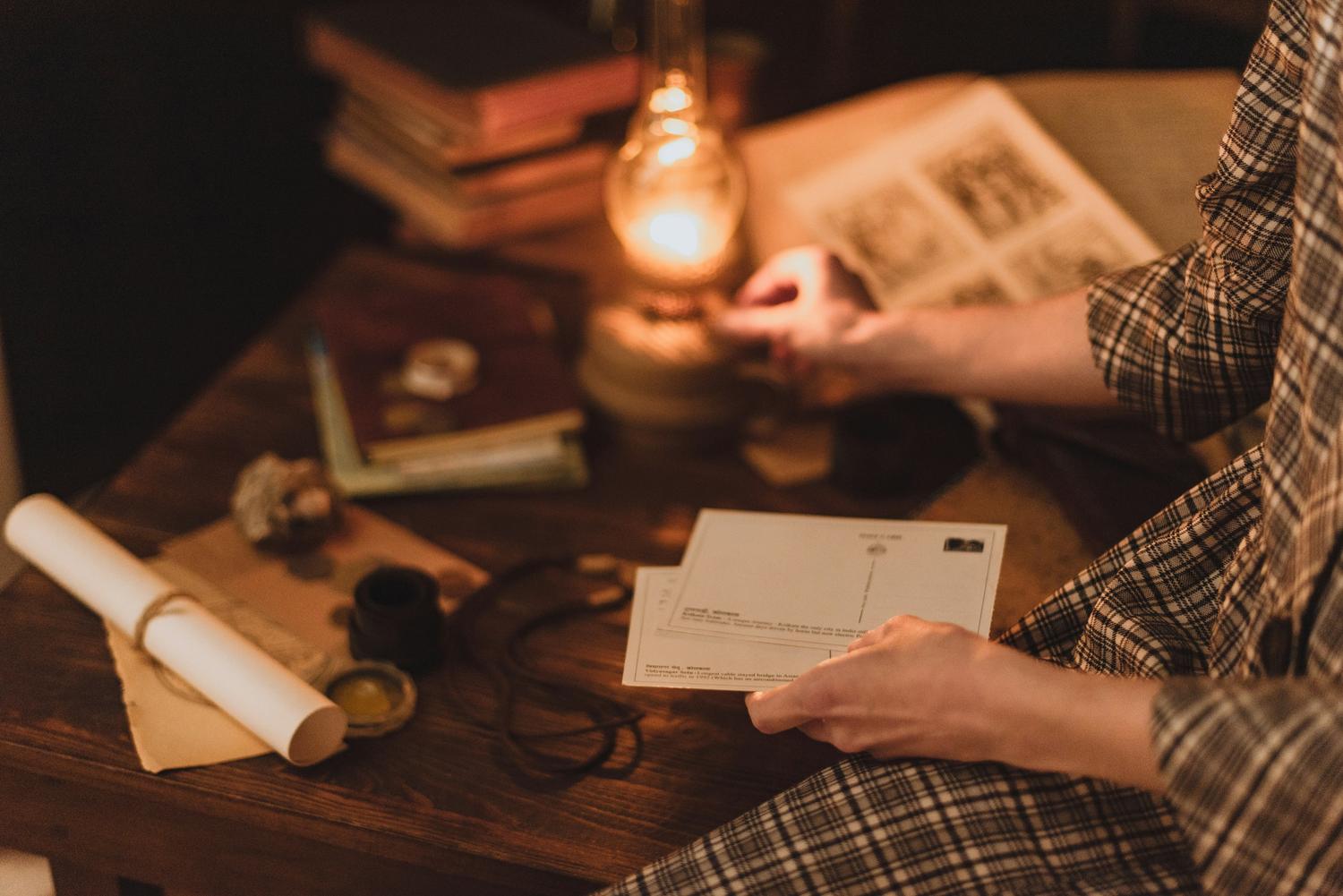
You’ve found a good story. A volunteer named David tells you he started writing postcards after his daughter asked him what he was doing to help. Simple, specific, personal. Exactly the kind of story that works in outreach.
Now what? You can’t just paste David’s story into every format your campaign uses. A postcard has maybe 40 words of space. A phone script needs to be speakable in 30 seconds. A social media post has to stop a scrolling thumb. Each format has different constraints, and the same story told the same way in all three will fail in at least two of them.
The skill isn’t finding the story. It’s choosing the right fragment for the format.
The Postcard: One Detail, One Connection
A postcard is not a place for narrative arc. You don’t have room for setup, conflict, and resolution. You have room for one concrete detail and one line connecting that detail to why you’re writing.
David’s full story might be: “My daughter came home from school and asked me what I was doing about climate change. I didn’t have a good answer. That’s when I started writing postcards to voters in swing districts, because I wanted to be able to tell her I tried.”
On a postcard, that becomes: “My daughter asked me what I was doing about climate change. I didn’t have a good answer. So I’m writing to you.”
That’s it. The daughter. The question. The connection to the voter. Everything else falls away. The voter doesn’t need the full arc. They need to feel that a real person wrote to them for a real reason.
The mistake most people make with postcards is trying to fit too much in. They want the backstory, the policy context, the call to action. Pick one moment. The strongest, most specific moment. Let it breathe.
The Phone Script: The Story as Introduction
In the scripts post, I talked about writing for the mouth, not the page. Stories in phone scripts follow the same rule. If your volunteer can’t say it naturally in one breath, it’s too long.
A story in a phone script isn’t the main event. It’s the bridge between “Hi, my name is David” and the ask. It replaces the generic “I’m calling because I care about this issue” with something a staffer will actually remember.
“Hi, my name is David, I’m a constituent from Tacoma. My daughter asked me what I was doing about climate change and I didn’t have a good answer. That’s why I’m calling to ask Senator Murray to support the Clean Energy Act.”
The story is one sentence. It does the work of establishing David as a real person with a real motivation, not a name reading from a script. The staffer hears “my daughter asked me” and logs this call differently than a generic constituent contact.
Give your volunteers permission to use their own version. David might say “my kid” instead of “my daughter.” He might skip the climate change part and just say “she asked me what I was doing to help.” That’s fine. The script is a starting point, not a cage.
The Social Post: The Hook and the Gap
Nobody is holding your postcard or sitting on the phone with you. They’re scrolling. You have about two seconds to make them stop.
A story on social media works by opening a gap the reader wants to close. Start with the most arresting detail and leave something unfinished.
“My daughter asked me what I was doing about climate change. I didn’t have a good answer.”
Full stop. That’s the post. Or at least, that’s the hook. The reader wants to know what happened next. You can add a second line: “That’s when I started writing postcards to voters.” And then a link or a call to action.
What doesn’t work on social media: the full narrative paragraph you’d put in a newsletter. Long blocks of text get scrolled past. Short, punchy, incomplete. Make them feel something in two lines.
The Common Mistake
The most common mistake isn’t choosing the wrong format. It’s trying to make one version work everywhere. The postcard version is too short for a script (it has no ask) and too complete for social media (there’s no gap to close). Each format gets its own version: the postcard gets the moment, the script gets the bridge, the social post gets the hook.
This takes ten minutes, not ten hours. Once you know the core story, pulling out the right piece for each format is fast. The hard part was finding the story. You already did that.
This is the third in a four-part series on storytelling for civic campaigns. Next week: building a story bank that outlasts a single campaign.
Liked this article?
Discover what Sincere can do for your campaign. Create personalized postcarding and letter-writing campaigns that engage voters with authentic, handwritten outreach.
Get Started with Sincere