Planning Your Midterm 2026 Postcard and Letter Strategy: What You Need to Get Started
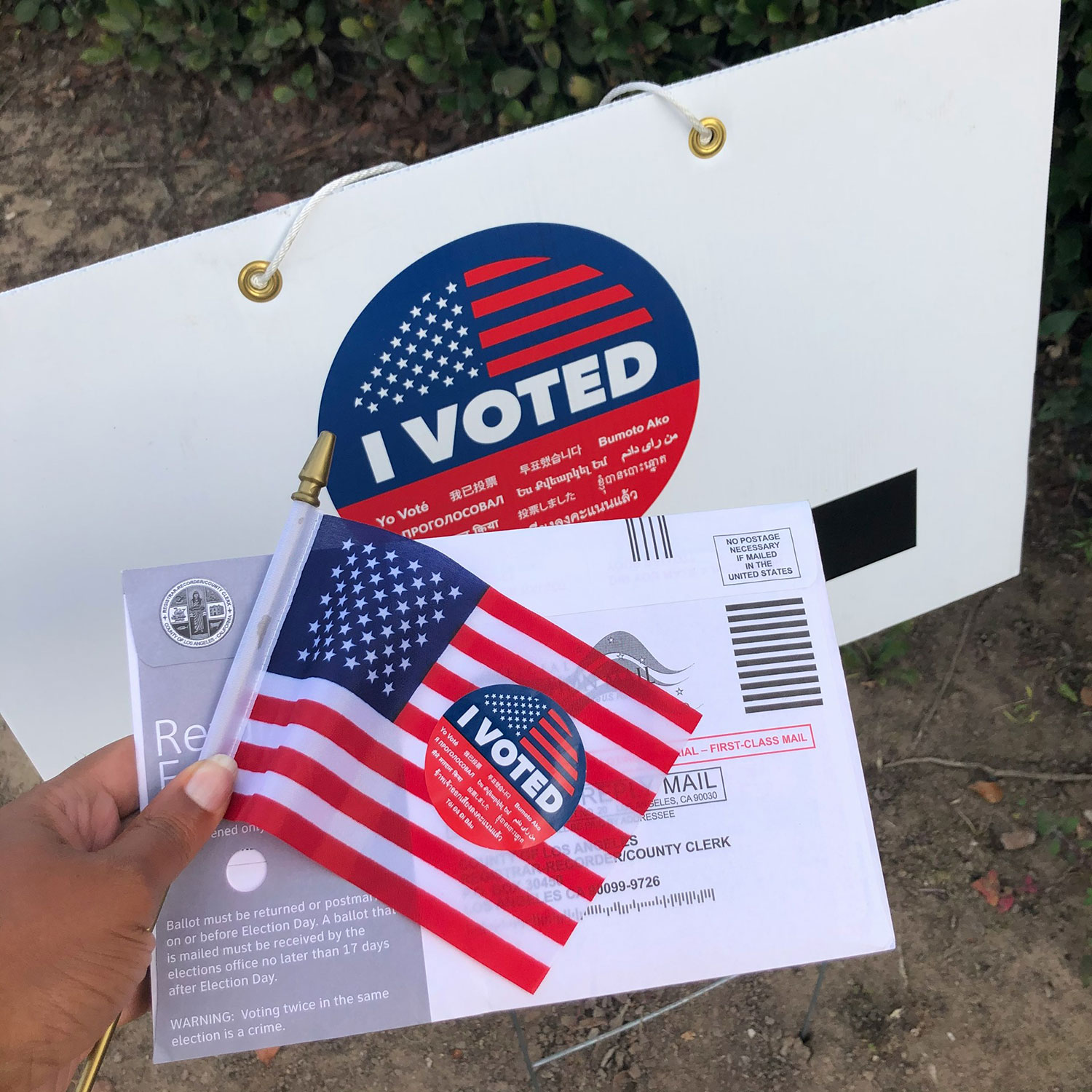
The 2026 midterms are 12 months away, which means now is exactly when serious progressive organizations start planning their postcard and letter-writing campaigns. Not next summer. Not when the primaries heat up. Now.
I’ve watched too many campaigns scramble in September to figure out their voter outreach strategy when they should be executing it. The groups that move voters don’t improvise. They plan, and they start early.
This is the first in a three-part series on building an effective postcarding and letter-writing campaign for the midterms. Before we get into tactics and execution, let’s cover the five essential elements every campaign needs.
1. Voter Addresses: Know Who You’re Reaching
You can’t send postcards to people if you don’t know where they live. This sounds obvious, but the quality of your voter file will make or break your campaign before you write a single word.
Most states maintain voter registration databases that are available to campaigns and organizations engaged in voter outreach. The data quality varies wildly by state. Some provide full addresses, voting history, and party registration. Others give you barely enough to work with.
Your options for acquiring voter addresses:
- State voter files purchased directly from secretaries of state (costs vary, typically $25-$500)
- Data vendors like L2 or TargetSmart that clean and enhance raw voter files
- Partner organizations that may share access to their voter data for coordinated campaigns
- National voter file aggregators used by larger progressive infrastructure groups
The critical question isn’t just “where do voters live?” but “which voters should we contact?” Low-propensity progressive voters who need mobilization require a different list than persuadable moderates. Define your universe before you buy or request data.
2. A Clear Message: What Are You Actually Asking For?
Most campaign mail fails because it tries to say everything. Your postcard has roughly three seconds to communicate something meaningful before it goes in the recycling bin.
Effective messages do one thing: give the reader a clear reason to care and a clear action to take. Not five reasons. Not a policy platform summary. One focused message.
For midterm voter mobilization, your message framework should answer:
- Why should this specific voter care about this specific election?
- What’s at stake that affects their daily life?
- What exactly do you want them to do?
Resist the urge to cram in every issue position. A postcard about protecting reproductive rights that also mentions climate policy, healthcare, and education has no message at all. It has a list. Lists don’t motivate action.
3. Actionable Steps: Make the Next Move Obvious
Telling someone to “vote” isn’t actionable. Telling someone to “check your registration at vote.org by May 1st” is actionable. The difference matters enormously.
Every piece of voter mail should include one concrete, specific action with a deadline. The research on behavior change is clear: vague instructions produce vague results. Specific instructions produce specific actions.
Strong calls to action include:
- A specific date (your early voting period, registration deadline, election day)
- A specific website or phone number
- A specific next step (“return your ballot by mail before October 28th”)
Weak calls to action use words like “consider,” “remember,” or “think about.” Strong calls to action use words like “do this,” “go here,” “by this date.”
4. Volunteers: Your Most Valuable Resource
Here’s the math that changes everything: a campaign with 200 volunteers writing 25 postcards each produces 5,000 pieces of personalized voter contact. At commercial mail rates, that same reach would cost thousands of dollars and generate far less impact.
But volunteers don’t materialize out of thin air. You need:
- Recruitment channels where potential volunteers already gather (partner orgs, social media, email lists, community groups)
- A compelling volunteer pitch that explains why their time matters
- Simple onboarding that gets people writing within minutes of signing up
- Ongoing engagement to retain volunteers across a months-long campaign
The organizations that excel at voter mail don’t just have better messages. They have volunteer pipelines that consistently produce writers throughout the campaign cycle. Start building yours now, not when you need the postcards sent.
5. Measuring Success: Know If It’s Working
Running a voter mail campaign without measurement is like driving with your eyes closed. You might get lucky, but you probably won’t.
Effective measurement requires defining your metrics before you start:
- Output metrics: postcards sent, volunteers engaged, writing sessions held
- Quality metrics: addresses verified, postcards meeting quality standards
- Outcome metrics: voter turnout among contacted voters versus control groups
The gold standard is a randomized controlled trial where you randomly exclude some voters from your mail program, then compare turnout rates between those who received mail and those who didn’t. This requires planning from day one.
Even without a formal experiment, you should track everything. How many postcards went out? To which voters? When? What was the turnout rate in your targeted universe? Compare against historical baselines and against comparable voters you didn’t contact.
Organizations that measure learn. Organizations that learn improve. Organizations that improve win.
Getting Started
You now know the five pillars: voter addresses, clear message, actionable steps, volunteers, and measurement. In the next post, we’ll dig into building your voter targeting strategy and message framework. In the final post, we’ll cover volunteer recruitment and campaign execution.
Twelve months is enough time to build something serious. The question is whether you’ll start now or scramble later.
What’s your biggest challenge in planning voter outreach campaigns? We’d love to hear from organizers who are in the early planning stages.
Liked this article?
Discover what Sincere can do for your campaign. Create personalized postcarding and letter-writing campaigns that engage voters with authentic, handwritten outreach.
Get Started with Sincere